If you feel a Shanty in your bones: Whaling and Sailing Songs from the days of Moby Dick sung by Paul Clayton
Contents
CHAPTER 40. Midnight, Forecastle. FOOTNOTES
CHAPTER 40. Midnight, Forecastle.
HARPOONEERS AND SAILORS.
(Foresail1 rises and discovers the watch standing, lounging, leaning, and lying in various attitudes, all singing in chorus.)
 Farewell and adieu to you, Spanish ladies!
 Farewell and adieu to you, ladies of Spain!
 Our captain’s commanded.—
1ST NANTUCKET SAILOR. Oh, boys, don’t be sentimental; it’s bad for the digestion! Take a tonic, follow me!
(Sings, and all follow.)
Our captain stood upon the deck,
A spy-glass in his hand,
A viewing of those gallant whales
That blew at every strand.
Oh, your tubs in your boats, my boys,
And by your braces stand,
And we’ll have one of those fine whales,
Hand, boys, over hand!
So, be cheery, my lads! may your hearts never fail!
While the bold harpooner is striking the whale!
2 MATE’S VOICE FROM THE QUARTER-DECK. Eight bells there, forward!
2ND NANTUCKET SAILOR. Avast the chorus! Eight bells3 there! d’ye hear, bell-boy? Strike the bell eight, thou Pip! thou blackling! and let me call the watch. I’ve the sort of mouth for that—the hogshead mouth.4 So, so, (thrusts his head down the scuttle,) Star-bo-l-e-e-n-s, a-h-o-y!5 Eight bells there below! Tumble up!
DUTCH SAILOR. Grand snoozing to-night, maty; fat night for that. I mark this in our old Mogul’s wine; it’s quite as deadening to some as filliping6 to others. We sing; they sleep—aye, lie down there, like ground-tier butts.7 At ’em again! There, take this copper-pump, and hail ’em through it. Tell ’em to avast dreaming of their lasses. Tell ’em it’s the resurrection; they must kiss their last, and come to judgment. That’s the way—that’s it; thy throat ain’t spoiled with eating Amsterdam butter.8
FRENCH SAILOR. Hist, boys! let’s have a jig or two before we ride to anchor in Blanket Bay. What say ye? There comes the other watch. Stand by all legs! Pip! little Pip! hurrah with your tambourine!
PIP. (Sulky and sleepy.) Don’t know where it is.
FRENCH SAILOR. Beat thy belly, then, and wag thy ears. Jig it, men, I say; merry’s the word; hurrah! Damn me, won’t you dance? Form, now, Indian-file, and gallop into the double-shuffle?9 Throw yourselves! Legs! legs!
ICELAND SAILOR. I don’t like your floor, maty; it’s too springy to my taste. I’m used to ice-floors. I’m sorry to throw cold water on the subject; but excuse me.10
MALTESE SAILOR. Me too; where’s your girls? Who but a fool would take his left hand by his right, and say to himself, how d’ye do? Partners! I must have partners!
SICILIAN SAILOR. Aye; girls and a green!11—then I’ll hop with ye; yea, turn grasshopper!
LONG-ISLAND SAILOR. Well, well, ye sulkies, there’s plenty more of us. Hoe corn12 when you may, say I. All legs go to harvest soon. Ah! here comes the music; now for it!
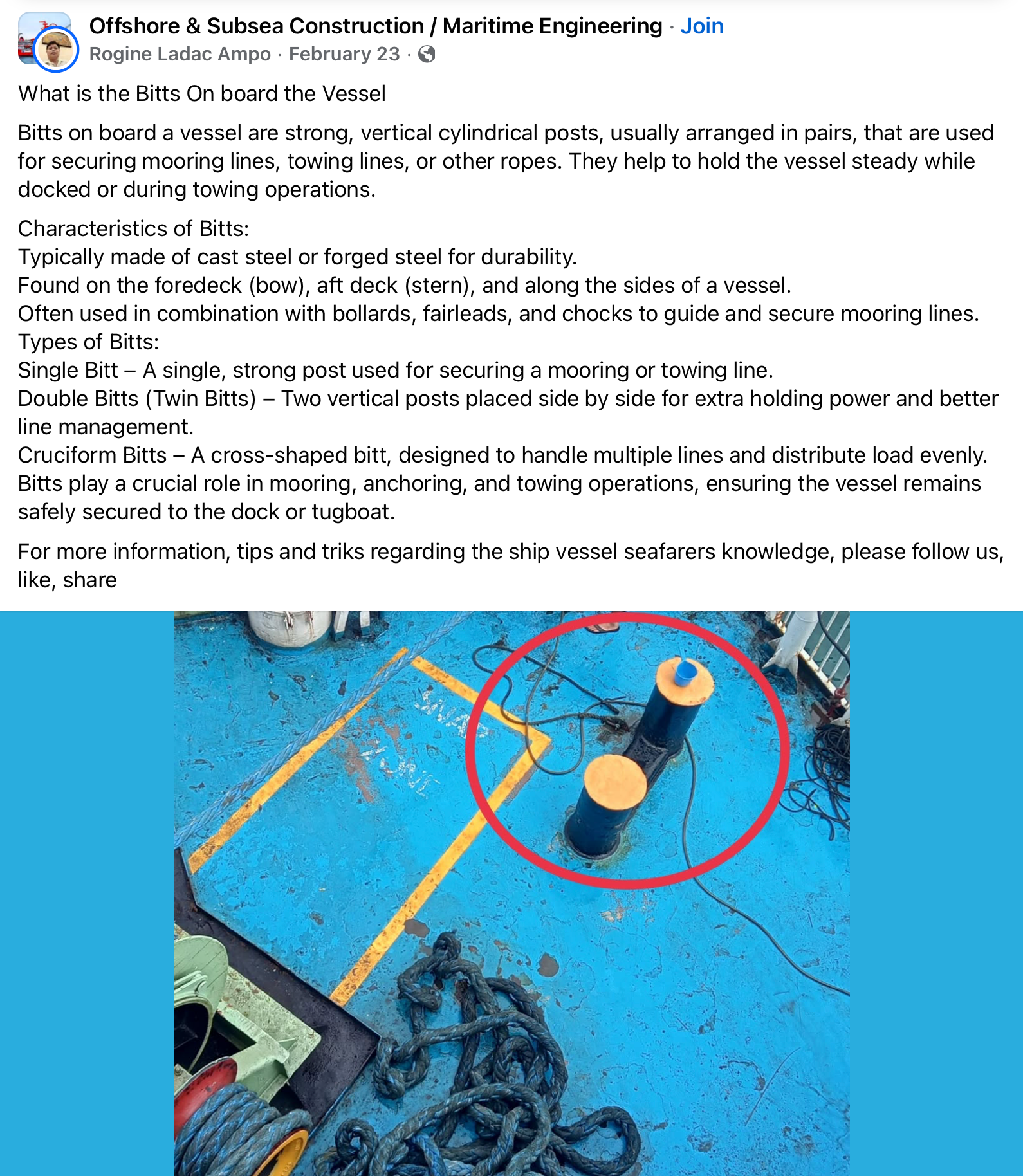
AZORE13 SAILOR. (Ascending, and pitching the tambourine up the scuttle. ) Here you are, Pip; and there’s the windlass-bitts;14 up you mount! Now, boys! (The half of them dance to the tambourine; some go below; some sleep or lie among the coils of rigging. Oaths a-plenty.)
AZORE SAILOR. (Dancing) Go it, Pip! Bang it, bell-boy! Rig it, dig it, stig it, quig it, bell-boy! Make fire-flies; break the jinglers!15
PIP. Jinglers, you say?—there goes another, dropped off; I pound it so.16
CHINA SAILOR. Rattle thy teeth, then, and pound away; make a pagoda17 of thyself.
FRENCH SAILOR. Merry-mad! Hold up thy hoop, Pip, till I jump through it! Split jibs! tear yourselves!
TASHTEGO. (Quietly smoking.) That’s a white man; he calls that fun: humph! I save my sweat.
OLD MANX18 SAILOR. I wonder whether those jolly lads bethink them of what they are dancing over. I’ll dance over your grave, I will—that’s the bitterest threat of your night-women, that beat head-winds round corners.19 O Christ! to think of the green navies and the green-skulled crews! Well, well; belike the whole world’s a ball, as you scholars have it; and so ’tis right to make one ballroom of it. Dance on, lads, you’re young; I was once.
3D NANTUCKET SAILOR. Spell oh!—whew! this is worse than pulling after whales in a calm—give us a whiff, Tash.20
(They cease dancing, and gather in clusters. Meantime the sky darkens—the wind rises.)
LASCAR21 SAILOR. By Brahma!22 boys, it’ll be douse sail soon. The sky-born, high-tide Ganges turned to wind!)23 Thou showest thy black brow, Seeva!24
MALTESE SAILOR. (Reclining and shaking his cap.) It’s the waves—the snow’s caps turn to jig it now.25 They’ll shake their tassels soon. Now would all the waves were women, then I’d go drown, and chassee26 with them evermore! There’s naught so sweet on earth—heaven may not match it!—as those swift glances of warm, wild bosoms in the dance, when the over-arboring arms hide such ripe, bursting grapes.
SICILIAN SAILOR. (Reclining.) Tell me not of it! Hark ye, lad—fleet interlacings of the limbs—lithe swayings—coyings—flutterings! lip! heart! hip! all graze: unceasing touch and go! not taste, observe ye, else come satiety.27 Eh, Pagan? (Nudging.)
TAHITAN SAILOR. (Reclining on a mat.) Hail, holy nakedness of our dancing girls!—the Heeva-Heeva!28 Ah! low veiled, high palmed Tahiti!29 I still rest me on thy mat, but the soft soil has slid! I saw thee woven in the wood, my mat! green the first day I brought ye thence; now worn and wilted quite. Ah me!—not thou nor I can bear the change! How then, if so be transplanted to yon sky? Hear I the roaring streams from Pirohitee’s peak30 of spears, when they leap down the crags and drown the villages?—The blast! the blast! Up, spine, and meet it! (Leaps to his feet.)
PORTUGUESE SAILOR. How the sea rolls swashing ’gainst the side! Stand by for reefing31, hearties! the winds are just crossing swords, pell-mell they’ll go lunging presently.
DANISH SAILOR. Crack, crack, old ship!32 so long as thou crackest, thou holdest! Well done! The mate there holds ye to it stiffly. He’s no more afraid than the isle fort at Cattegat,33 put there to fight the Baltic with storm-lashed guns, on which the sea-salt cakes!
4TH NANTUCKET SAILOR. He has his orders, mind ye that. I heard old Ahab tell him he must always kill a squall, something as they burst a waterspout34 with a pistol35—fire your ship right into it!
ENGLISH SAILOR. Blood! but that old man’s a grand old cove! We are the lads to hunt him up his whale!
ALL. Aye! aye!
OLD MANX SAILOR. How the three pines shake!36 Pines are the hardest sort of tree to live when shifted to any other soil, and here there’s none but the crew’s cursed clay. Steady, helmsman! steady. This is the sort of weather when brave hearts snap ashore, and keeled37 hulls split at sea. Our captain has his birthmark; look yonder, boys, there’s another in the sky—lurid-like, ye see, all else pitch black.
DAGGOO. What of that? Who’s afraid of black’s afraid of me! I’m quarried out of it!
SPANISH SAILOR. (Aside.) He wants to bully, ah!—the old grudge makes me touchy38 (Advancing.) Aye, harpooneer, thy race is the undeniable dark side of mankind—devilish dark at that. No offence.39
DAGGOO (grimly). None.
ST. JAGO’S SAILOR.40 That Spaniard’s mad or drunk. But that can’t be, or else in his one case our old Mogul’s fire-waters are somewhat long in working.
5TH NANTUCKET SAILOR. What’s that I saw—lightning? Yes.
SPANISH SAILOR. No; Daggoo showing his teeth.
DAGGOO (springing). Swallow thine, mannikin!41 White skin, white liver!42
SPANISH SAILOR (meeting him). Knife thee heartily! big frame, small spirit!
ALL. A row! a row! a row!
TASHTEGO (with a whiff). A row a’low,43 and a row aloft—Gods and men—both brawlers! Humph!
BELFAST SAILOR. A row! arrah44 a row! The Virgin be blessed, a row! Plunge in with ye!
ENGLISH SAILOR. Fair play! Snatch the Spaniard’s knife! A ring, a ring!
OLD MANX SAILOR. Ready formed. There! the ringed horizon.45 In that ring Cain struck Abel. Sweet work, right work! No? Why then, God, mad’st thou the ring?
MATE’S VOICE FROM THE QUARTER-DECK. Hands by the halyards! in top-gallant sails! Stand by to reef topsails!46
ALL. The squall! the squall! jump, my jollies! (They scatter.)
PIP (shrinking under the windlass). Jollies? Lord help such jollies! Crish, crash! there goes the jib-stay!47 Blang-whang! God! Duck lower, Pip, here comes the royal yard!48 It’s worse than being in the whirled woods, the last day of the year! Who’d go climbing after chestnuts now? But there they go, all cursing, and here I don’t. Fine prospects to ’em; they’re on the road to heaven. Hold on hard! Jimmini, what a squall! But those chaps there are worse yet—they are your white squalls,49 they. White squalls? white whale, shirr! shirr! Here have I heard all their chat just now, and the white whale—shirr! shirr!—but spoken of once! and only this evening—it makes me jingle all over like my tambourine—that anaconda of an old man50 swore ’em in to hunt him! Oh, thou big white God aloft there somewhere in yon darkness, have mercy on this small black boy down here; preserve him from all men that have no bowels to feel fear!
Footnotes
https://youtu.be/fzxOz8x-Y_8?si=cMrAvHKKNL76gqhN “Greenland Whale Fisheries | The Longest Johns” - meaning British/European whalers - also this Folkways version that’s a bit more… authentic-ish? and this one from the actual Moby Dick Folkways album —but none of them include Captain Bunker! The Coast of Peru is the only shanty I could find with Captain Bunker mentioned,— the mystery is solved: https://mudcat.org/thread.cfm?threadid=162239 except it’s not. It’s taken wholecloth from ETCHINGS OF A WHALING CRUISE, WITH NOTES OF A SOJOURN ON THE ISLAND OF ZANZIBAR. TO WHICH IS APPENDED A BRIEF HISTORY OF THE WHALE FISHERY, ITS PAST AND PRESENT CONDITION. BY J. ROSS BROWNE. https://archive.org/stream/0212ETCH/0212ETCH_djvu.txt
Footnotes
-
Foresail: the principal sail on the mast nearest the front of a ship ↩
-
The history of the song - oh my goodness! See below. ↩
-
Eight Bells - end of watch/midnight ↩
-
loud mouth. A hogshead is a large cask equaling two barrels or 63 gallons of whale oil. ↩
-
The men in the starboard watch (“starbowlines” or “starboleens” in sailor speech) are being called to the deck from their off-duty sleep to relieve the larboard (port) watch, but they are slow to appear. ↩
-
filliping: stimulating ↩
-
the Dutch Sailor is giving the next watch grief for moving slowly. He will compare their reluctance to leave their beds to the difficulty of hauling up the lowest level of oil barrels in the hold, and he facetiously advises using the copper pump (meant for pumping whale oil from one barrel to another) as a megaphone. ↩
-
Amsterdam butter: The joke is that the common sailors were not fed butter, with its supposedly voice-smoothing properties, much less expensive Dutch butter from Amsterdam. ↩
-
double-shuffle: Irish and African folk traditions were blurred here (think hoedowns). Until he was ten, Melville lived in lower Manhattan and Greenwich Village where slaves and freed African Americans met at marketplaces and streetcorners to perform the “shake-down,” an early version of today’s break dancing (see Bryant, Herman Melville: A Half Known Life, vol. 1, ch. 3). ↩
-
Ice floor/cold water - ha ha ↩
-
a village green - a place to dance ↩
-
hoedown - dance ↩
-
AZORE SAILOR: islands off the coast of Portugal. ↩
-
windlass-bitts: two strong vertical timbers supporting the ends of the windlass. ↩
-
jinglers: the metal discs on a tambourine (and possibly a double entendre) ↩
-
I’m banging the tambourine so hard, it’s lost one of the metal discs ↩
-
pagoda: apparently bells were hung on pagodas—which started in China and were based on the India stupa, then they spread to Japan. ↩
-
Manx- The Isle of Man is in the Irish Sea, about 50 kilometers (31 miles) from both Ireland and the United Kingdom. ↩
-
To paraphrase: what a bunch of stupid young men. Their behavior will land them in an early grave b/c of visits to prostitutes. ↩
-
Nantucketer seems more friendly with Tashtego - and asks for a drag off his pipe ↩
-
Lascar (sailor)Historical term: Used to describe a sailor or militiaman from the Indian subcontinent, Southeast Asia, the Arab world, or British Somaliland. - Origin: The term is a European corruption of the Persian word “lashkar,” meaning army or camp, and was first used by the Portuguese to refer to Asian sailors.Racial connotations: The term became a racial identifier, not just a job description, especially on British ships. It was used to group a wide variety of non-white sailors from regions like South Asia, East Africa, and Southeast Asia together, often with negative stereotypes. ↩
-
Hindu God of Creation, Shiva (Seeva) is the destroyer ↩
-
Storm’s a Brewin’! ↩
-
Seeva: Shiva ↩
-
white water’s on the rise ↩
-
chassee: dance ↩
-
look, don’t touch. Or all the sex jokes are going to get you overheated and then you’ll act on it and then…golly! ↩
-
Heeva-Heeva: Tahitian dance of peace, seen by Western observers as licentious. ↩
-
Tahiti!: Now part of French Polynesia —in 1850 it was pretty much synonymous with Paradise. In 1842, Melville and a few other mates jumped ship and stayed in Tahiti for a month. He and a companion escaped to its neighboring island, Eimeo (Moorea). Omoo is based on those adventures. ↩
-
Pirohitee’s peak of spears: Piroheeti is mentioned in Omoo and is probably Pito Hiti, the second tallest summit in Tahiti’s jagged, central mountain range. ↩
-
reefing: rolling up the sails to reduce the amount of wind they catch. ↩
-
Crack, crack, old ship!: Wooden ships make such noises adjusting themselves to the sea and wind; a noisy ship was said to be a safe one. Also an echo of words uttered during a storm in Shakespeare’s King Lear: “Blow, winds, and crack your cheeks! rage! blow!” (3.2.1) ⇐ which you hear in the opening music for ChopBard! ↩
-
Cattegat: the isle fort at Cattegat: The Kattegat is that part of the North Sea between Denmark and Sweden. Melville’s reference may be to the fortified Kronborg castle (the Elsinore of Hamlet) west of Copenhagen and both on Sjælland island. ↩
-
Waterspout: a tornado or whirlwind that occurs over water, creating a funnel cloud of air and spray ↩
-
with a pistol: Early sailors believed that a water-spout could be broken apart by firing weapons into it. ↩
-
three pines = three masts ↩
-
keeled: capsized ↩
-
the old grudge: Racial antipathy, exacerbated in this case by Daggoo’s legitimate grudge against whites for enslaving black Africans while associating them with the devil, as the Spaniard says. Perhaps, too, the Spanish sailor is “touchy” because his nation was a leader in that slave trade. ↩
-
Wow…we’ve been doing this for a long time! ↩
-
ST. JAGO’S SAILOR: St. Jago is a corruption of São Tiago (Santiago), in the Cape Verde Islands off the west coast of Africa. ↩
-
mannikin = little man… maybe like “Manneken Pis” ;) ↩
-
a coward has a white liver (lily livered) ↩
-
a fight below ↩
-
arrah = REALLY?! (Like :“Really?! A storm is coming and you’re gonna FIGHT?!?!?“) ↩
-
A ring to fight in? We’re already in one—the horizon rings us and the world is our boxing ring (he’s a cheery one, ain’t he?I ↩
-
The mate orders the men to reduce the ship’s sail area by (1) mustering them to lower the sails with the halyards, then (2) go aloft to furl the top-gallant sails, which are set above the topsails, and (3) to prepare to reef (reduce the size of) the topsails. Since the topsails are usually the first sails set and the last taken down, the fact that they have to be reefed indicates the storm’s strength. ↩
-
jib-stay - heavy rope or wire cable used to steady the jib boom. ↩
-
royal yard!: Royal yard: a spar used to spread the top of the sail on the royalmast ↩
-
white squalls: Sudden and violent windstorms at sea unaccompanied by the black clouds generally characteristic of a squall. Because an approaching white squall is hard to see, it is feared far more than a regular one. ↩
-
Anaconda! Wow - he’s seeing Ahab clearly! ↩